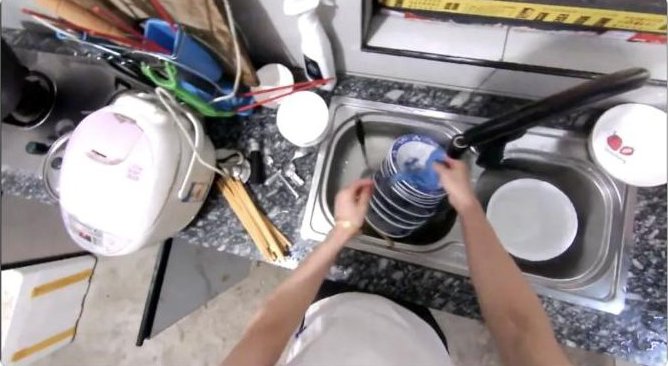
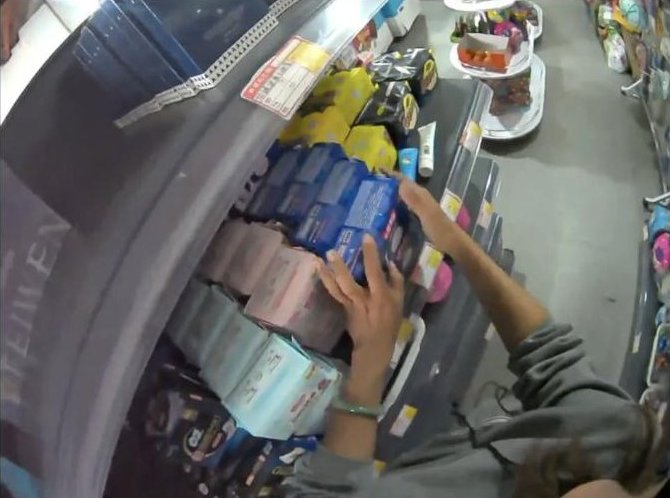
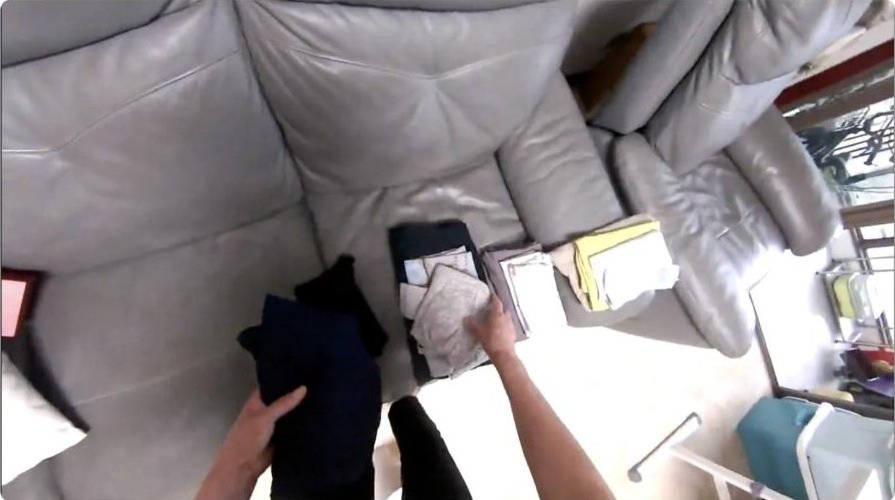
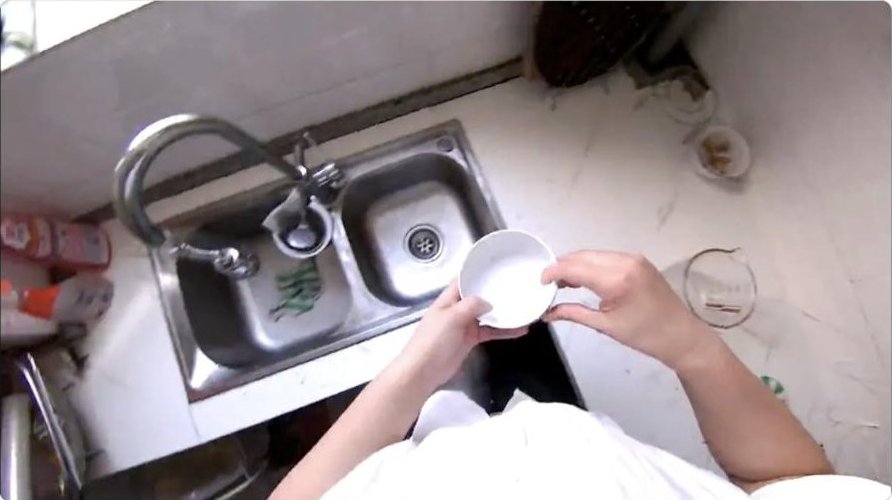
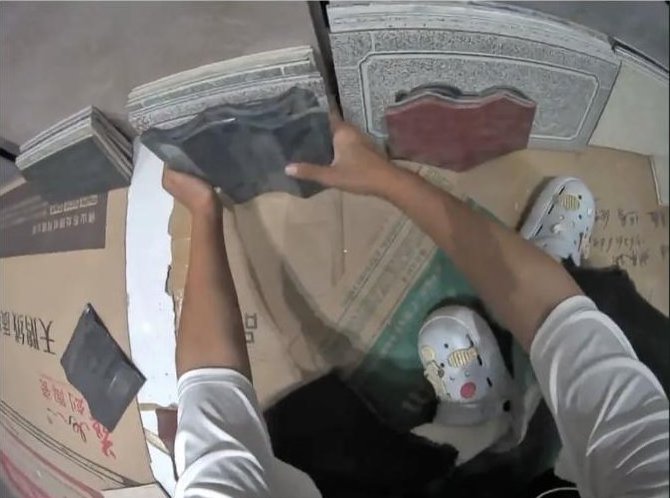
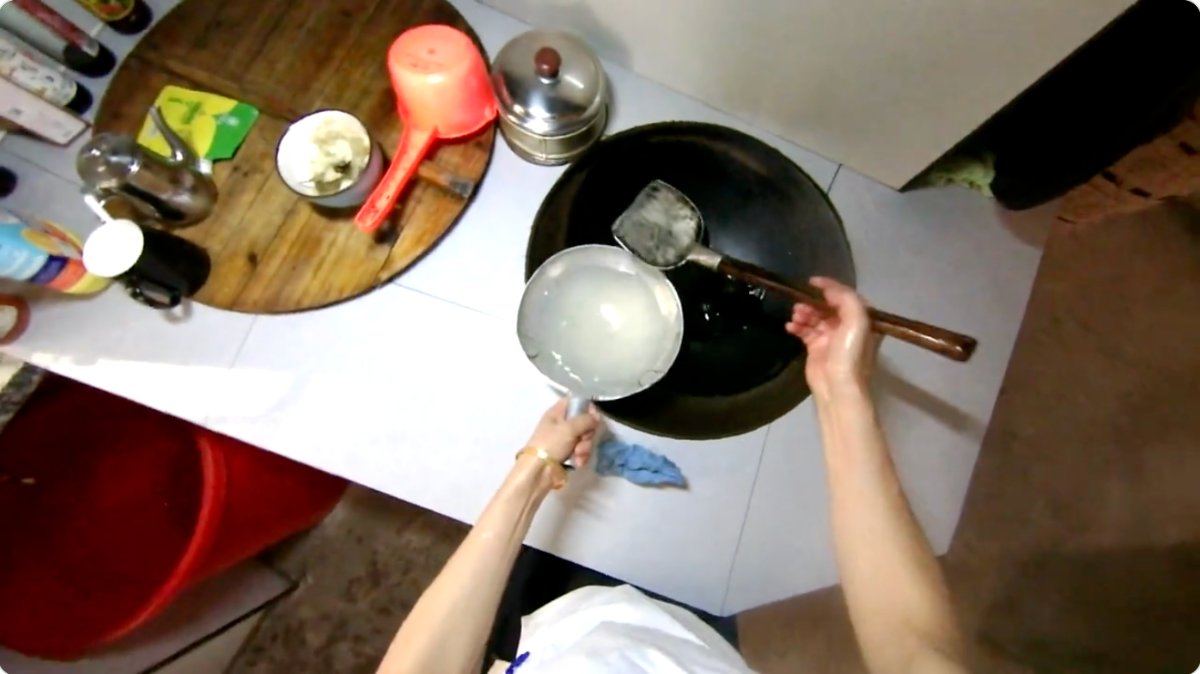
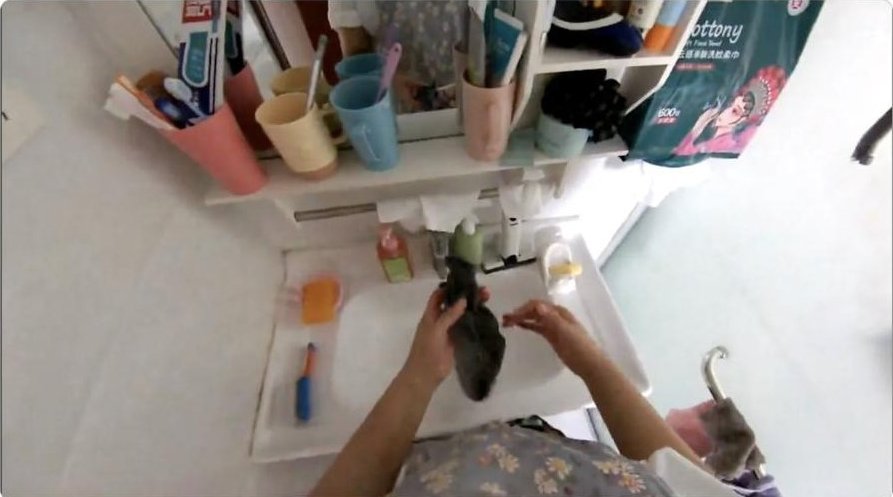
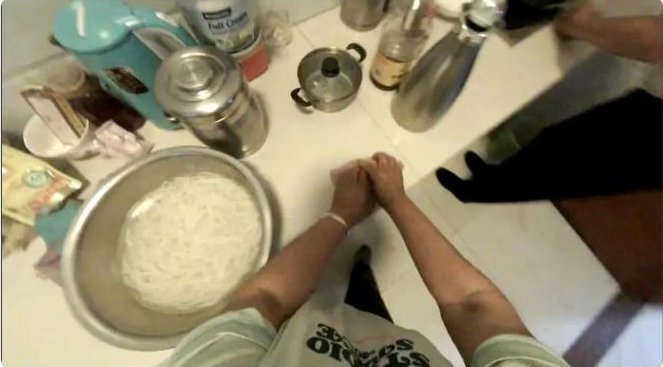
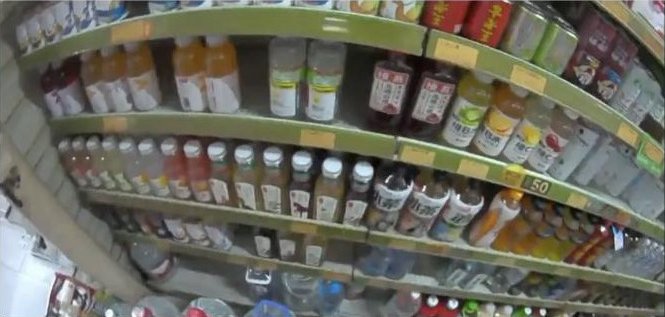
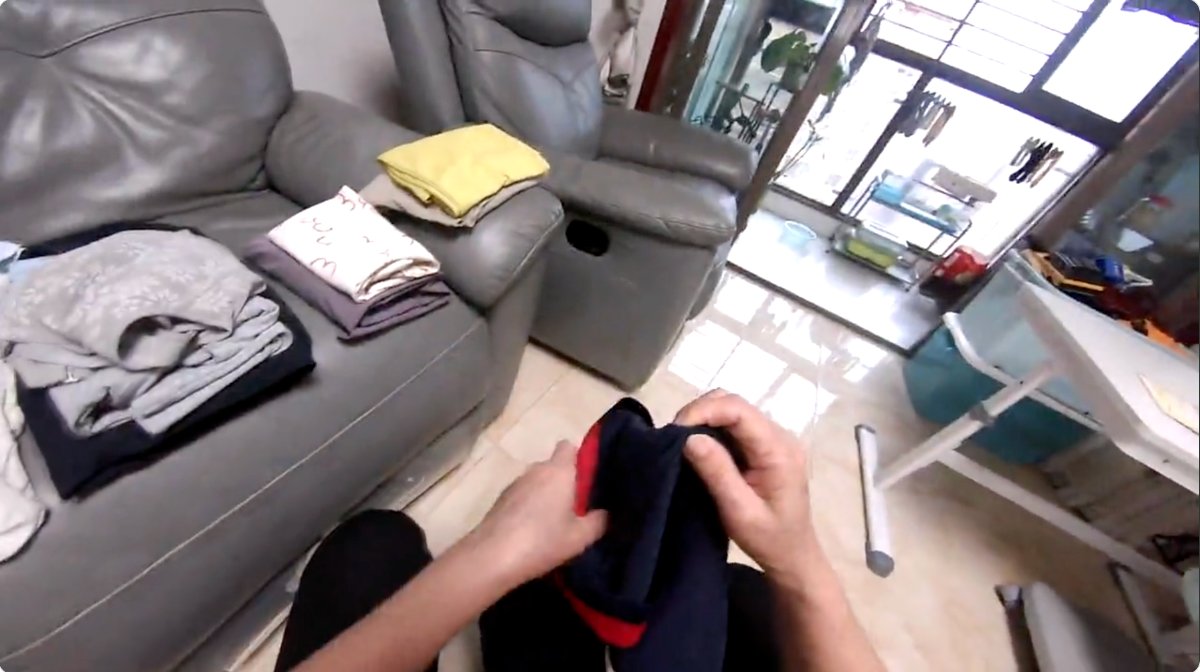
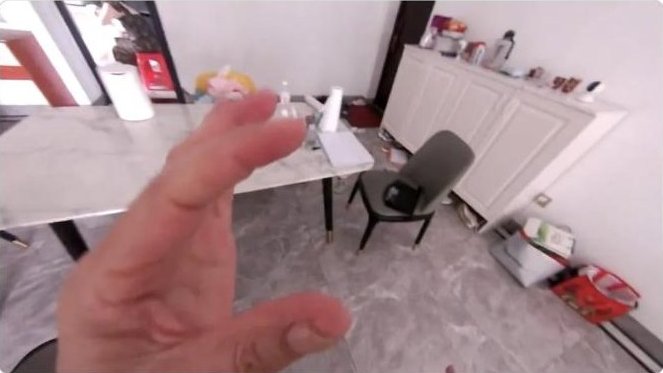
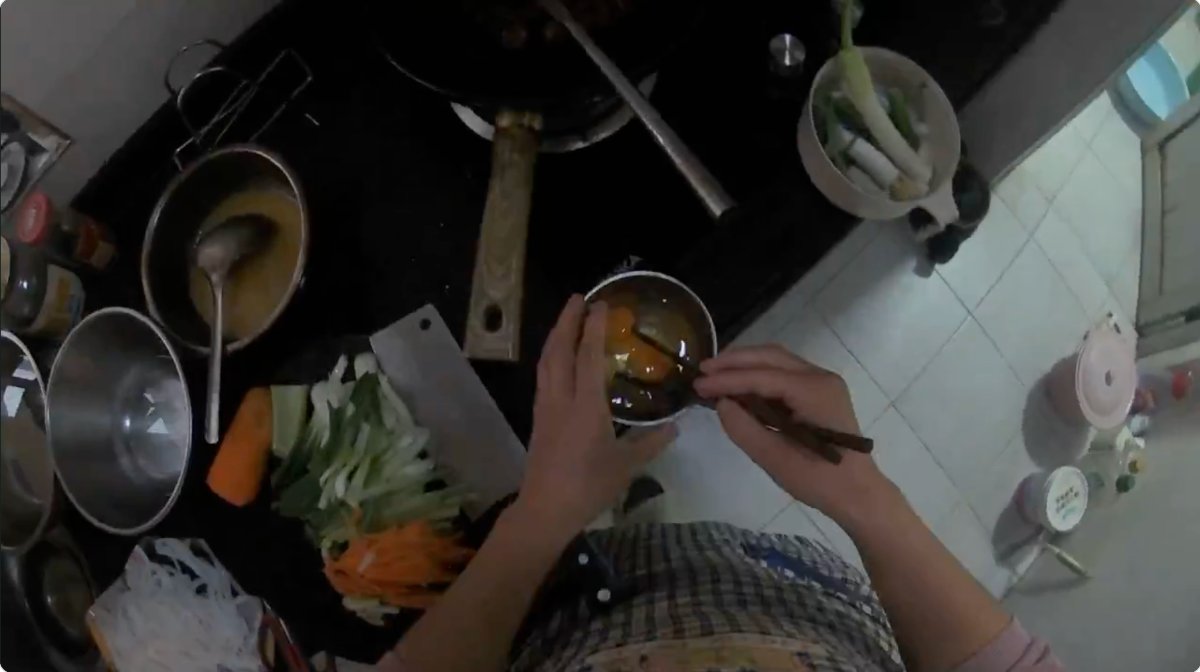
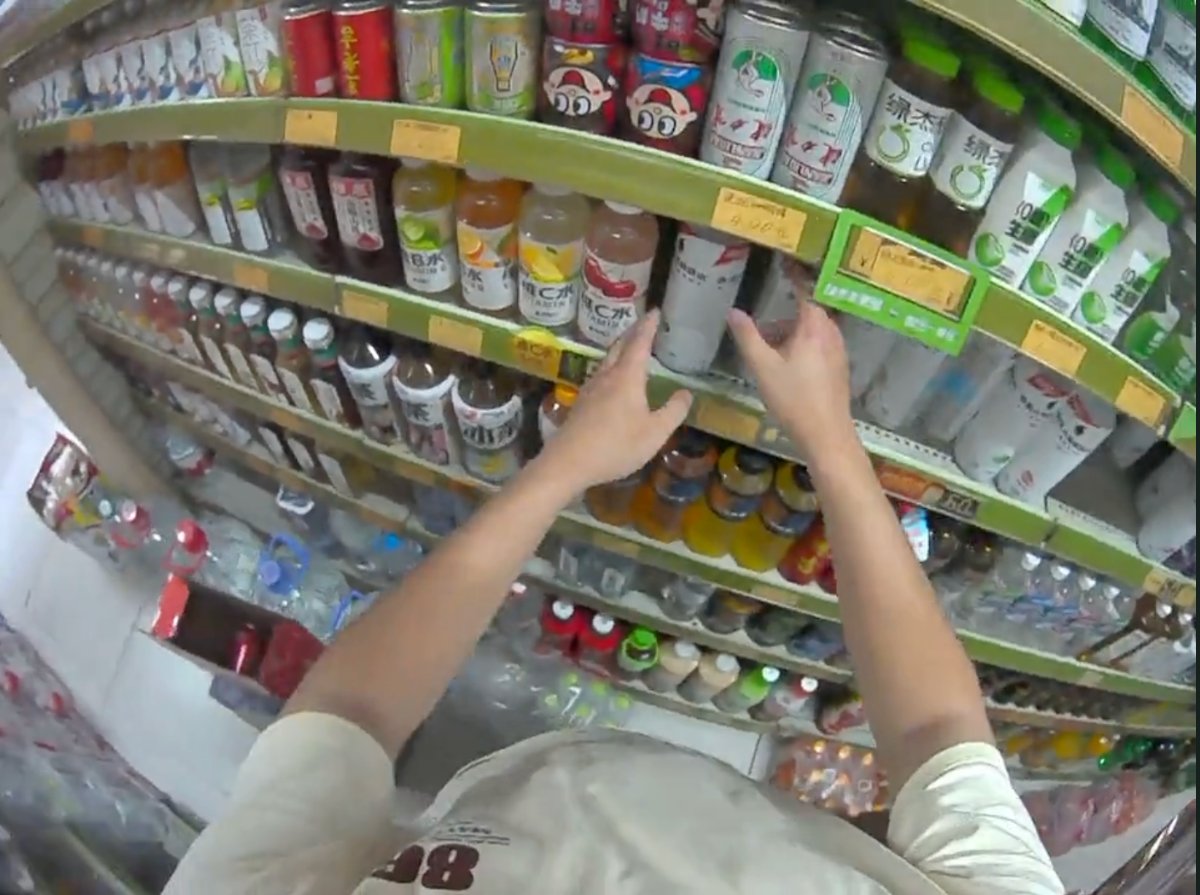
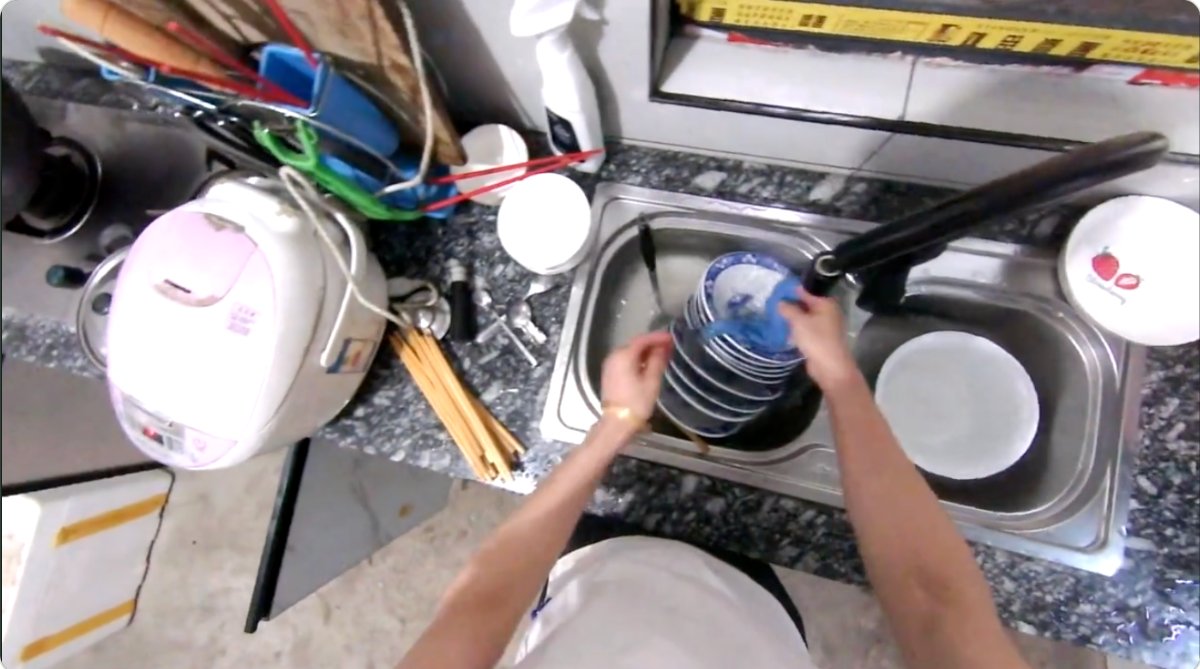
Egocentric frame — food preparation at a counterEgocentric frame — washing a stack of bowlsEgocentric frame — restocking a retail shelfEgocentric frame — folding laundry on a sofaEgocentric frame — rinsing a bowl at a sinkEgocentric frame — sorting cardboard outdoorsEgocentric frame — cooking at a wokEgocentric frame — grooming at a bathroom counterEgocentric frame — handling a bowl at floor levelEgocentric frame — bottles on a retail shelfEgocentric frame — folding a garment in the lapEgocentric frame — reaching across a tableEgocentric frame — beating eggs in a bowlEgocentric frame — aligning bottles on a shelfEgocentric frame — washing dishes at a sink
EGOCENTRIC DATA · ROBOTICS & EMBODIED AI

Real-world egocentric data for robots that learn from people.

Wortel captures and labels first-person human demonstrations for VLA models, world models, and robot learning — atomic-action clips, per-hand descriptions, four human reviews on every record.

200+ TRAINED ANNOTATORS30,000+ HOURS ANNOTATED1M+ LABELED IMAGES

Why Wortel

Not a marketplace routing your data to strangers. A trained, managed workforce with a published rule set, run by the engineers who also build the models.

200+
TRAINED ANNOTATORS

A managed network held to a written standard, with per-annotator scoring and a three-violation disqualification threshold.

30,000+
HOURS OF VIDEO ANNOTATED

Segmented into atomic-action clips and described hand by hand — on a live program against a 300,000-hour corpus.

400+
CV DATASETS · 1M+ IMAGES

Interiors, engineering drawings, agriculture — polygons, masks, boxes, and keypoints, delivered in your schema.

10+
STARTUP ML STACKS FROM ZERO

Not just labels: segmentation and detection models, drone-to-orthomosaic pipelines, deployed inference.

THE UNIT OF WORK

One clip. One action. Two hands, resolved separately.

A single minute of washing dishes holds twenty distinct actions, performed by two hands doing different things, under a camera that moves with the operator's head. We cut it to frame-accurate boundaries and describe each hand independently — object-grounded, with camera motion and scene as structured attributes.

How the pipeline works →
wortel_player / sample_reelDEMO DATA · 00:58
Egocentric frame — washing dishesEgocentric frame — cooking at a wokEgocentric frame — beating eggsEgocentric frame — folding laundryEgocentric frame — restocking a retail shelf
bowl
chopsticks
00:24–00:36
00:005 CLIPS · ATOMIC ACTIONS00:58
HAND: BOTH  ·  CAMERA: SMALL  ·  SCENE: kitchen — counter

Left hand steadies the bowl; right hand beats the eggs with chopsticks.

THE PROGRAM

How the pipeline works

Two axes — boundaries and language — each reviewed twice. An attributed internal pass that coaches the annotator, then an independent external pass that gates the batch. Work only moves forward on approval.

SEGMENTATION AXIS · BOUNDARIESDESCRIPTION AXIS · LANGUAGE
ANNOTATOR
1 · Segment
atomic clips
INTERNAL
2a · Review
attributed, coaches
EXTERNAL
2b · Review
blind, gates batch
ANNOTATOR
3 · Describe
per-hand language
INTERNAL
4a · Review
edits keep originals
EXTERNAL
4b · Review
blind, gates delivery
OUTPUT
Training-ready
VLA dataset
COACHED
RE-WORK
COACHED
RE-WORK

Internal rejection returns the clip with feedback and coaching. An external rejection sends a large chunk of the batch back for re-work — not just the failing clip.

STAGE 1 OF 4

Segmentation

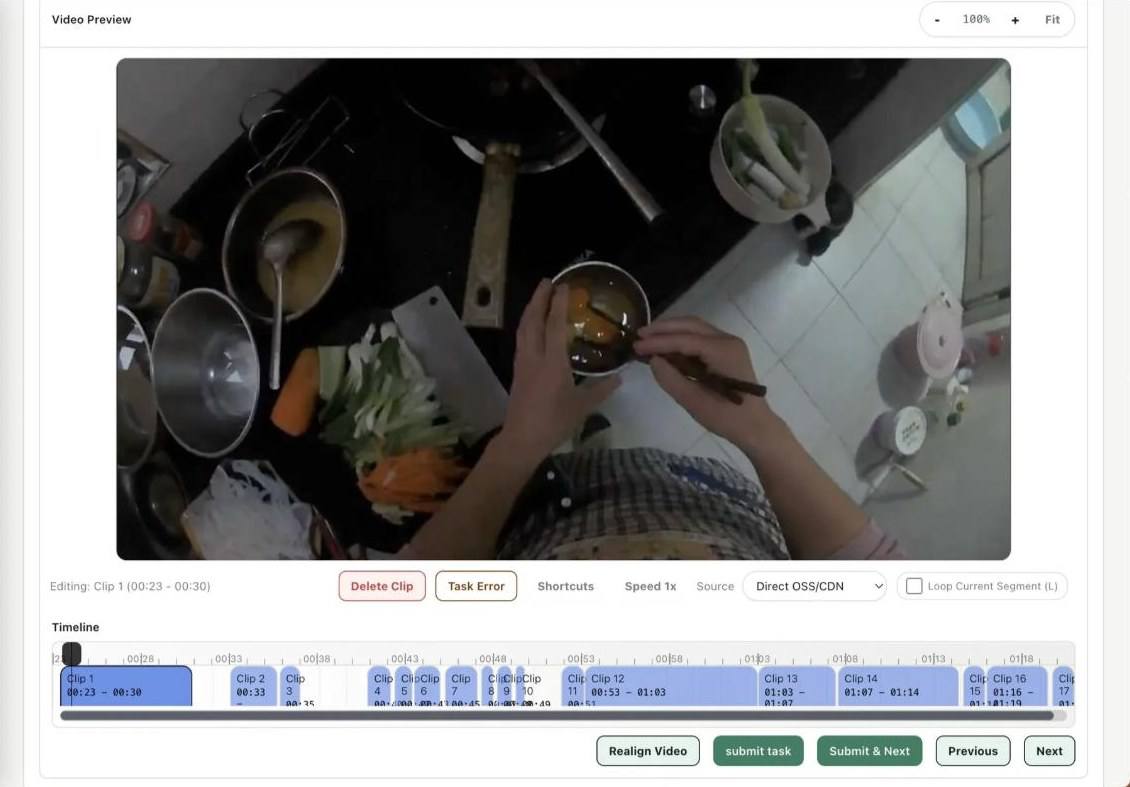
Annotators work in a purpose-built timeline tool: scrub the source, set boundaries frame by frame, loop the segment to confirm the cut. Boundary accuracy at 0.5-second resolution cannot be eyeballed at 1×.

Exactly one action, by one hand or coordinated hands
Operating hand visible from the wrist up at both boundary frames
Hand present for at least 90% of clip duration
Never longer than 10 seconds; cut at natural pauses
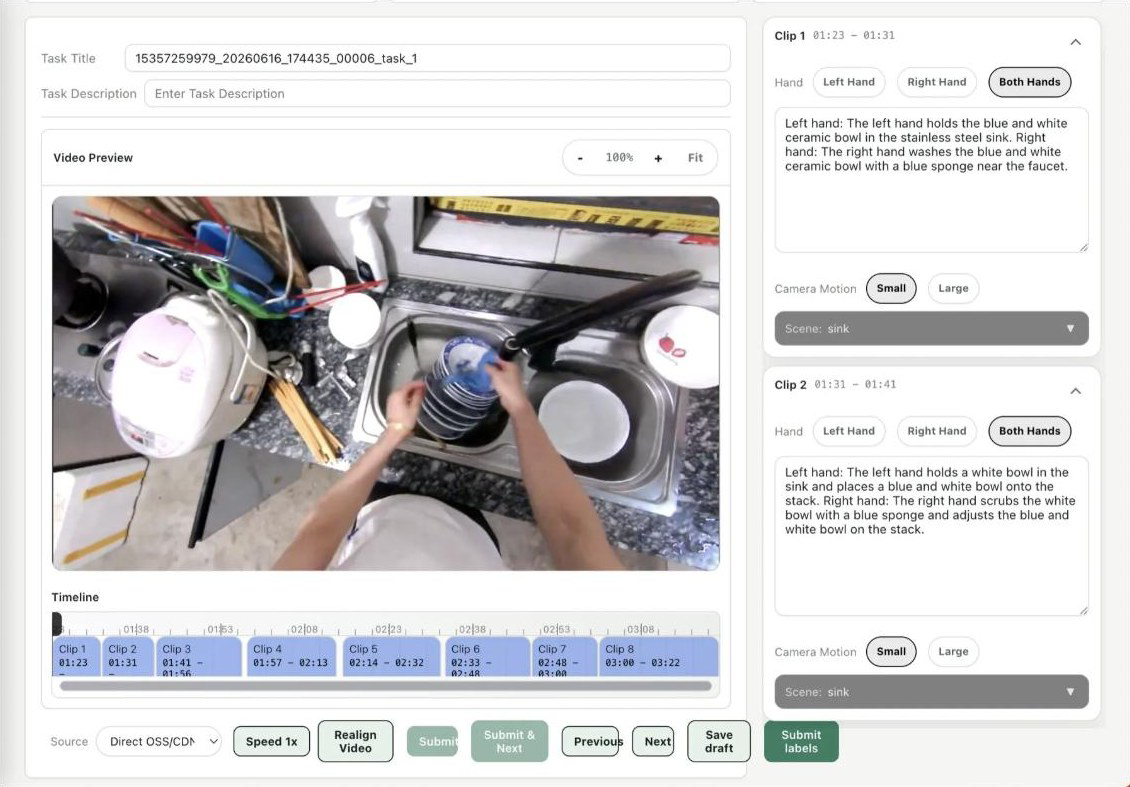
Segmentation workspace — timeline with clip boundaries
segmentation workspace — per-clip editing, loop segment, full timeline
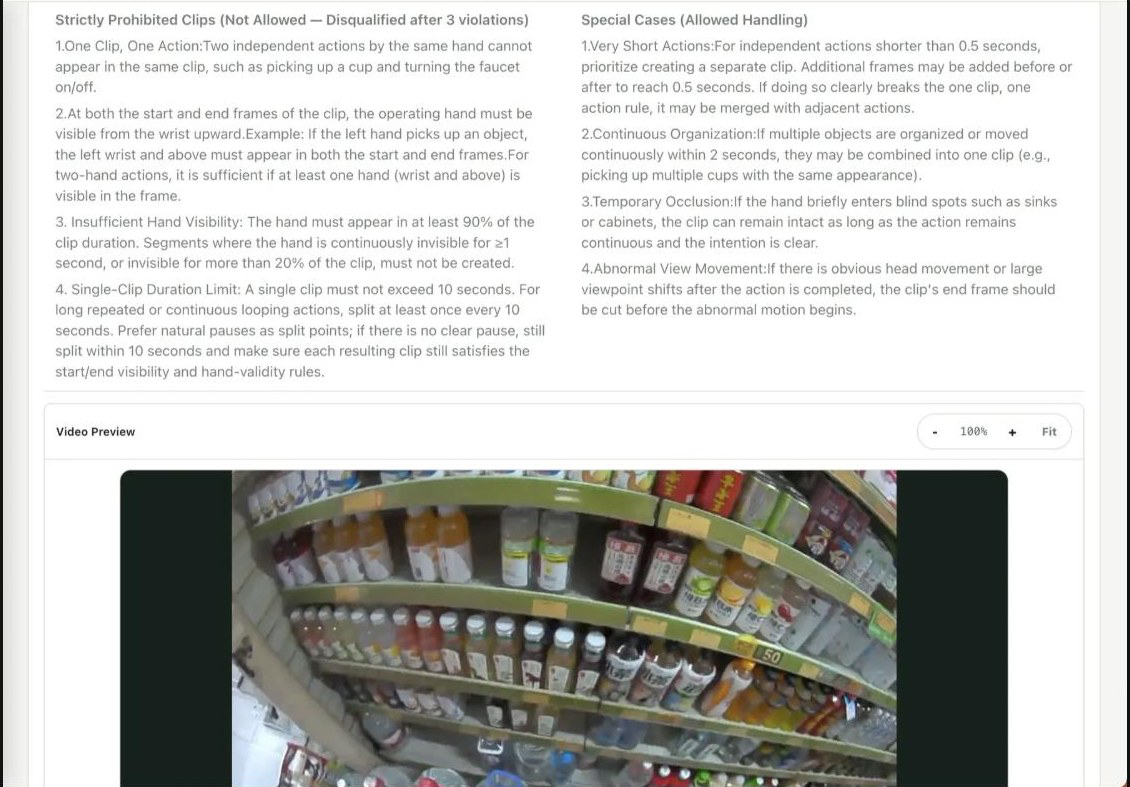
Review workspace with the rule set pinned above the video
rules pinned above the workspace — reviewers check the spec, not memory
STAGE 2 OF 4 · INTERNAL + EXTERNAL

Segmentation review

A bad boundary silently corrupts the description written on top of it. Every boundary is re-checked twice before any description work begins — an attributed internal pass that coaches, then a blind external pass that judges the batch, not the person.

External rejection is deliberately expensive: a large chunk of the batch goes back for re-work. That cost is what keeps internal review honest.

STAGE 3 OF 4

Description

"Washes the bowl" is not sufficient supervision. "Washes the blue and white ceramic bowl with a blue sponge near the faucet" names the target with disambiguating attributes, names the tool, and locates the action — what a VLA policy must resolve at inference time.

Per-hand resolution

One hand stabilises while the other acts — collapsing both into one sentence destroys the structure a bimanual policy needs.

Camera motion — Small / Large

Lets training weight or filter clips where apparent object motion is really head motion.

Scene — controlled vocabulary

Sink, counter, shelf — a usable conditioning signal, not an unnormalised string.

Description workspace — per-clip hand selection, free text, camera motion and scene
description workspace — hand selection, per-hand text, camera motion, scene
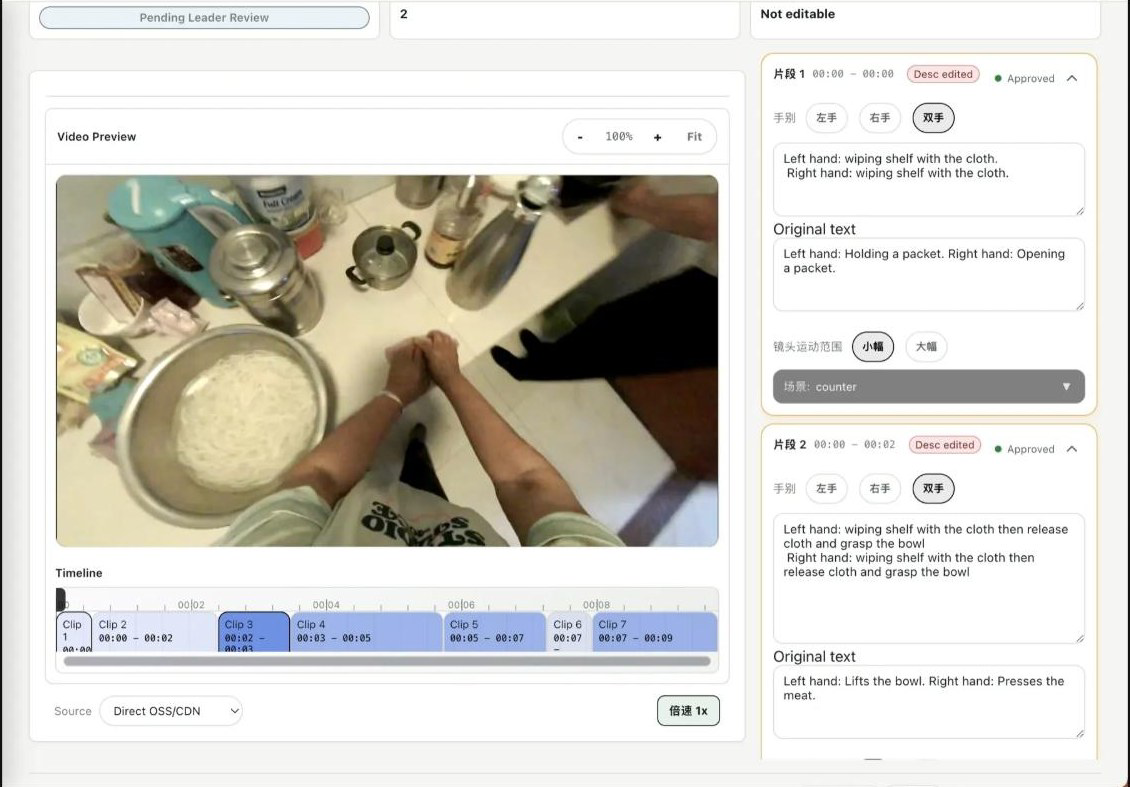
Leader review — corrected text above the preserved original, bilingual interface
correction with history — original text preserved under every edit (EN / 中文)
STAGE 4 OF 4 · INTERNAL + EXTERNAL

Description review

Where the reviewer rewrites a description, the record keeps both — the corrected text and the original beneath it. Preserved originals turn the review queue into a labelled corpus of annotator error: per-annotator quality scoring, targeted retraining, guideline refinement. Then the independent external team audits the batch before delivery.

Locked after sign-off — approved clips move to Not editable
Bilingual review surface (English / 中文) — no translation layer

The rule set

PUBLISHED STANDARD · NOT REVIEWER TASTE

Annotators are held to it directly — three violations disqualifies an annotator from the queue.

STRICTLY PROHIBITED
1One clip, one action. Two independent actions by the same hand cannot share a clip.
2Hand visibility at boundaries. The operating hand visible from the wrist up in both the start and end frame.
3Insufficient hand visibility. The hand must appear in ≥90% of clip duration — never continuously invisible for 1 second or more.
410-second cap. Long repeated actions split at natural pauses — each resulting clip must still satisfy every rule.
5No skipped actions. Every valid action in the video must be segmented.
SPECIAL CASES — ALLOWED HANDLING
1Very short actions. Under 0.5s: separate clip padded to 0.5s, or merged if padding breaks one-clip-one-action.
2Continuous organisation. Identical objects moved continuously within 2 seconds may combine into one clip.
3Temporary occlusion. A hand briefly in a sink or cabinet keeps the clip intact while intent is unambiguous.
4Abnormal view movement. The end frame is cut before large post-action head motion begins.
DELIVERABLE

What comes out

Every approved clip is emitted as a structured record — frame-accurate timecodes, hand enum, two independent descriptions, camera motion, scene, and review state with full correction history.

Left hand: The left hand holds the blue and white ceramic bowl in the stainless steel sink.
Right hand: The right hand washes the blue and white ceramic bowl with a blue sponge near the faucet.

Request sample records →
FIELDTYPEVALUES / FORMAT
Clip indexIntegerSequential within the task
Start / end timecodeTimecodemm:ss, span capped at 10 seconds
HandEnumLeft Hand · Right Hand · Both Hands
Left-hand descriptionFree textObject-grounded natural language
Right-hand descriptionFree textObject-grounded natural language
Camera motionEnumSmall · Large
SceneEnumControlled vocabulary — sink, counter, shelf, …
Review stateEnumPending Leader Review · Approved · Desc edited
What we do

EGOCENTRIC DATA
Egocentric capture & annotation
A live VLA program on a 300,000-hour corpus: continuous video cut into atomic-action clips against a published rule set, described independently for each hand, then gated by four human reviews. We also run that external role on other vendors' labels.
How we run it →
Temporal segmentation
Per-hand descriptions
Review & vendor audits
First-person capture

Send us 2 hours of video.
Get labeled data back in 72 hours.

Labeled clips, a QA report with error taxonomy, and the questions we'd ask before scaling. Your taxonomy or ours.